

Our solution.
Rewin’s technology cuts the main costs of polyester recycling
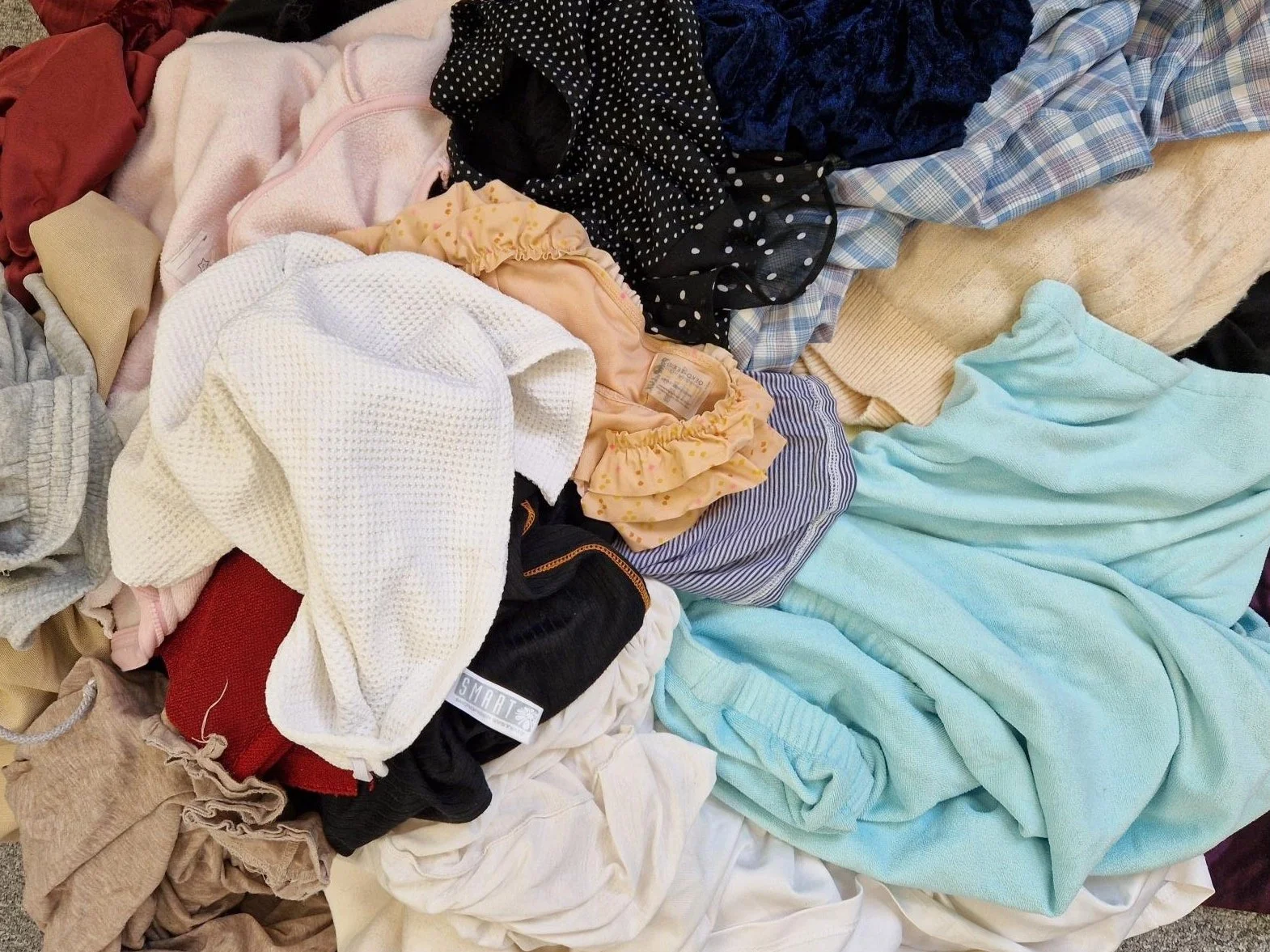
Minimum waste Pre-Processing
Enables feeding of polyester mixed with inert materials such as buttons, zippers and long cotton fibres.
Improving recycling yield by up to 50%
Preserving cotton fibre lengths
Eliminating pre-processing CAPEX and footprint
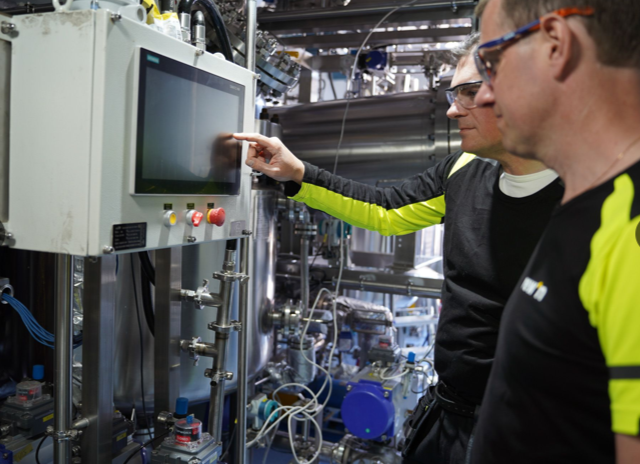
Optimal solvent efficiency
Solvent consumption minimised in all aspects of the process design protecting cash flows as well as GHG footprint
Inherent degradation protection
Best in class MEG/BHET separation
Best class MEG/cotton separation
Industrial off-taker grade
Product quality meets large scale off-taker requirements - avoiding internalisation of risk and costs of downstream polyester production and sales.
Product ready for feeding to existing polyester facilities
Output quality demonstrated on multiple real waste sources
Proven path to profitable recycling of low value polyester and PET waste.
Process for large scale recovery of mixed polyester and PET waste back to high grade polyester materials through catalytic glycolysis.
Patented heterogenous catalyst and process for lowest cost recycling of mixed polyester fiber waste.
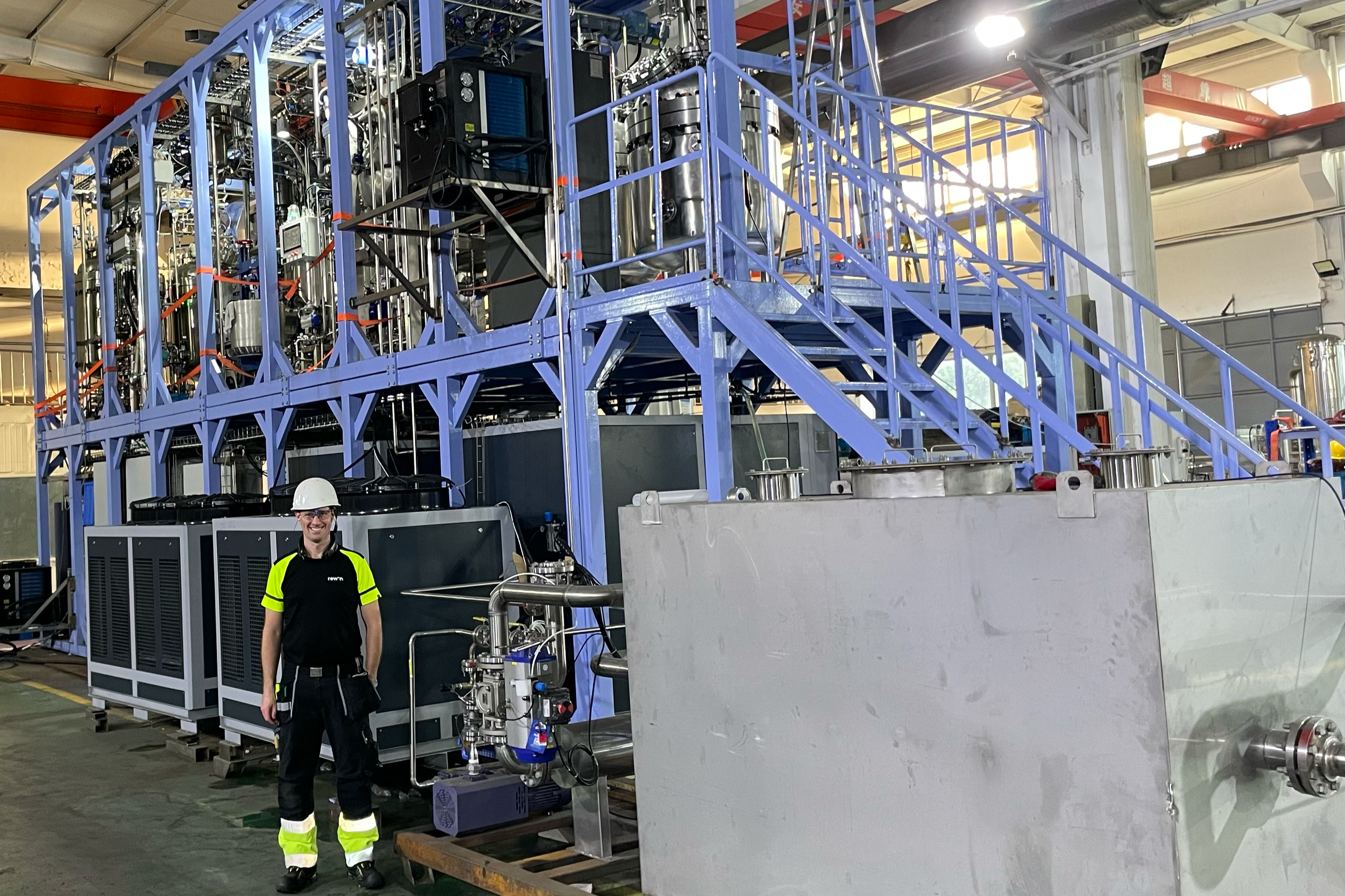
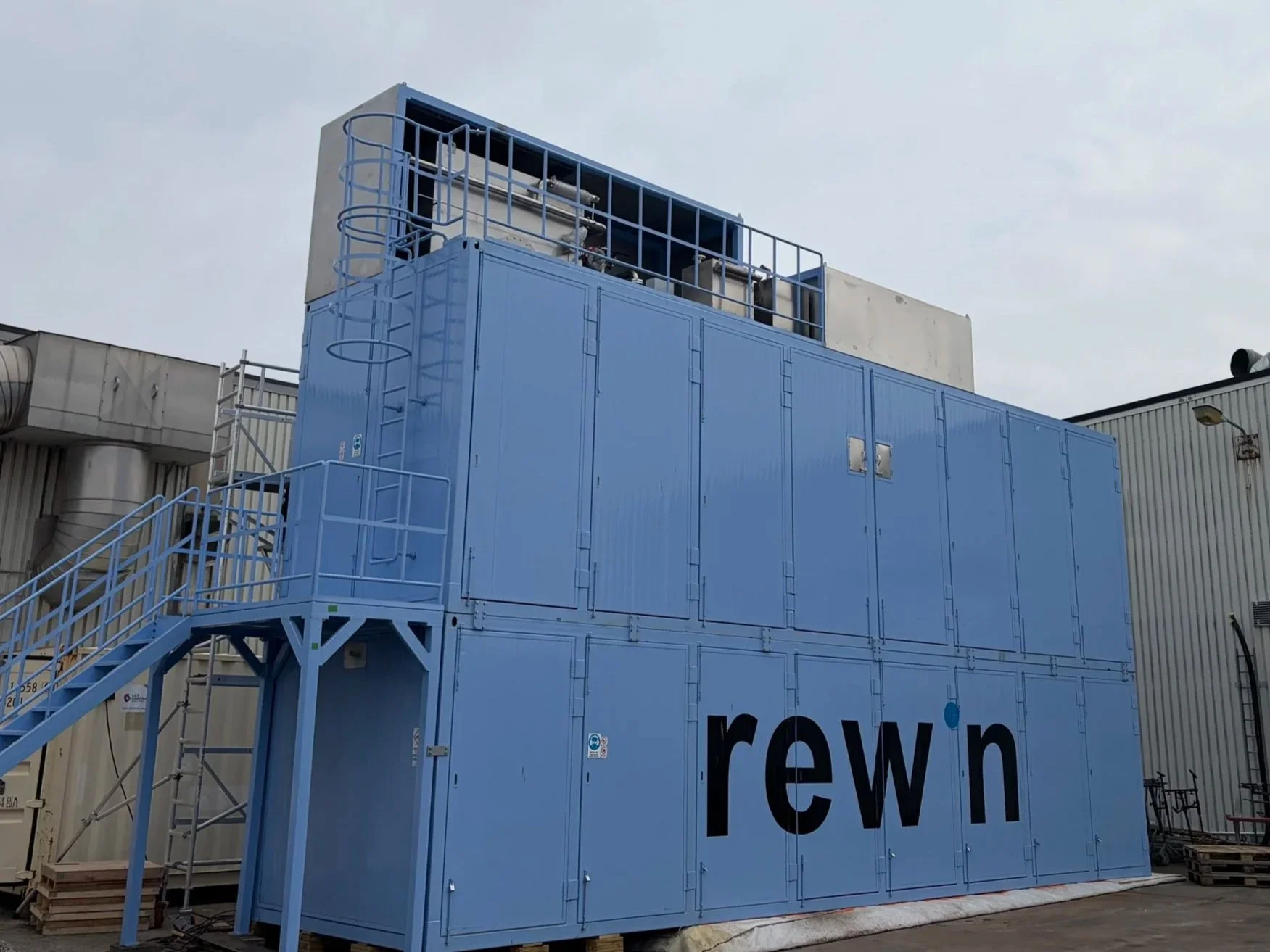
Waste to BHET demonstration plant in Sweden
POC batch capacity: 100 kg
Demo phase continuous capacity: 2000-3000 ton/year
What is glycolysis.
Rewins process is based on glycolysis which is the reversal of a standard production step in the industrial manufacture of PET. Glycolysis uses MEG as reagent splitting the polyesters polymer into monomers allowing for effective removal of contaminants using a minimum of energy.
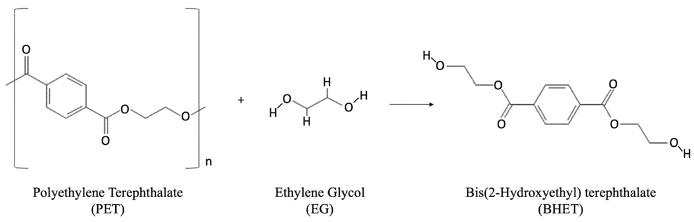
The purified BHET monomer can then be re-polymerized in existing polyester plants and used of manufacture of new fiber and plastics materials:
